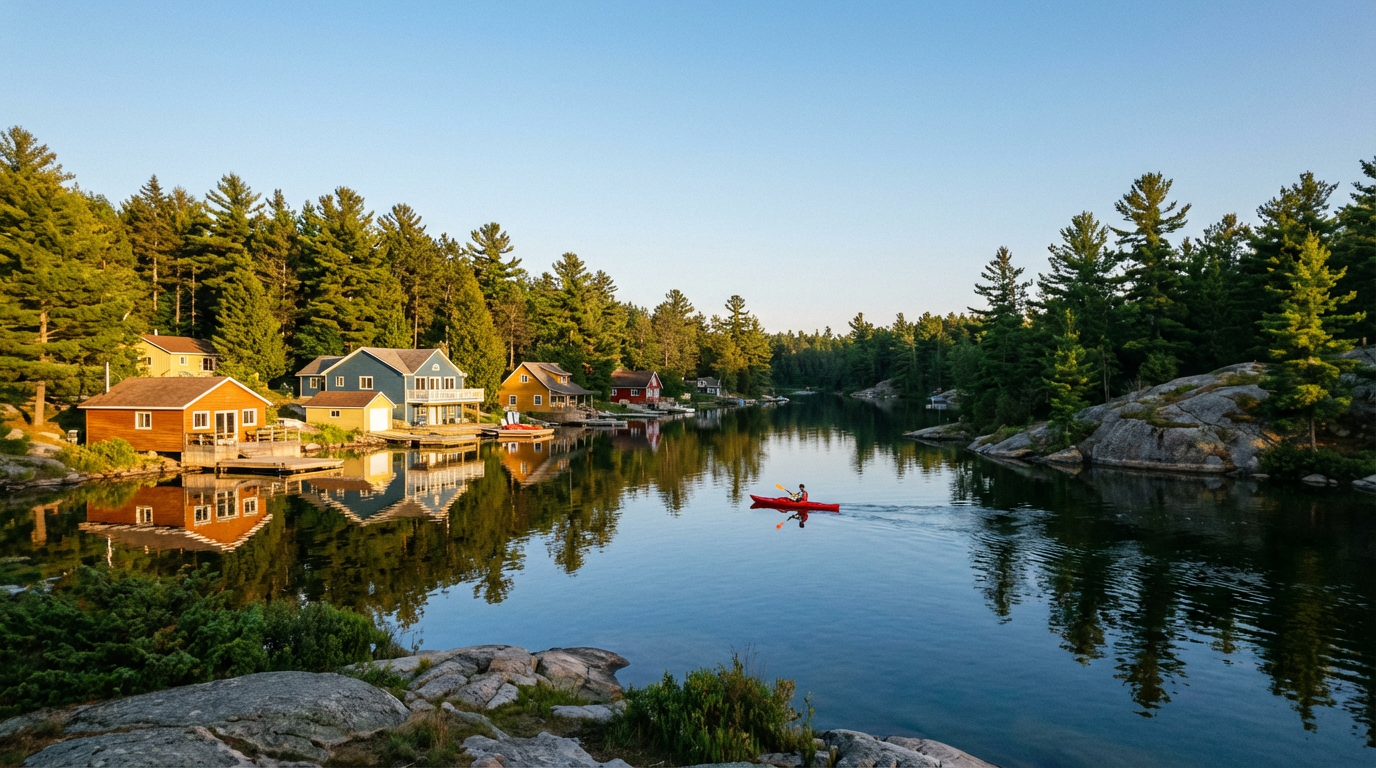
Canada's most photographed destinations — Niagara Falls, Banff, the Cabot Trail — earn their reputation. But there is a different kind of travel satisfaction to be found in the places that don't appear on the first page of any search result: the small towns, coastal inlets, and lakeside communities that locals guard almost jealously, sharing the secret only with people they trust to appreciate what makes them special.
We asked travel writers, regional tourism insiders, and devoted weekend-trippers to name the destinations they keep coming back to — the ones that reward the traveller willing to drive an extra forty minutes past the well-signed exit. Here are eight places that made the list.
1. Elora, Ontario — Gothic Gorge and Georgian Streets
Perched above a dramatic limestone gorge on the Grand River, Elora is one of Ontario's most architecturally intact 19th-century villages. The gorge itself — deep, mossy, and fed by clear water — draws swimmers in summer and ice climbers in winter. The main street's stone-built shops, independent restaurants, and artisan studios feel genuinely unstagey. Stay at the Elora Mill, a beautifully restored heritage property. Book well in advance.
2. Ucluelet, BC — Wild Coast, Quieter Neighbour
Tofino gets the headlines, but Ucluelet, just 40 kilometres down the peninsula on Vancouver Island's Pacific coast, offers most of the same drama — old-growth forest trails, dramatic ocean surf, spectacular whale-watching — without the lineup for parking or brunch. The Wild Pacific Trail, which wraps around rocky headlands battered by the open Pacific, is among the most spectacular short hikes in the country.
3. La Malbaie, Québec — Charlevoix's Culinary Capital
Set in the hills above the St. Lawrence River in the Charlevoix region, La Malbaie has quietly become one of Quebec's most compelling food destinations. The regional producers — cheese makers, cider orchards, small-batch distillers — feed a roster of restaurants that punch well above their weight. In winter, the surrounding hills offer genuine cross-country terrain far less crowded than the Mont-Tremblant circuit.
4. Pincher Creek, Alberta — Gateway the Rockies Forgot to Advertise
Sitting at the edge of the Livingstone Range in southwestern Alberta, Pincher Creek offers access to Waterton Lakes National Park — a UNESCO World Heritage Site that receives a fraction of Banff's visitor numbers despite scenery of comparable grandeur. The winds that sweep the area can be intense, but they also power some of Canada's most impressive wind energy installations, creating a landscape that is simultaneously wild and quietly futuristic.
5. Lunenburg, Nova Scotia — A UNESCO Town That Earns It
Lunenburg holds UNESCO World Heritage status for its perfectly preserved colonial-era streetscape of painted wooden buildings climbing a harbour hillside. Unlike some heritage designations, Lunenburg's feels earned: the town is genuinely lived in, its fishing heritage still active, its arts community well established. The Bluenose II, Canada's iconic racing schooner, calls this harbour home when not touring.
6. Gimli, Manitoba — Iceland on the Prairies
Founded by Icelandic settlers in the 1870s on the western shore of Lake Winnipeg, Gimli maintains a cultural identity unlike anywhere else in the country. The annual Icelandic Festival — Islendingadagurinn — draws thousands, but the town rewards visits in any season. Lake Winnipeg's freshwater beaches in summer are genuinely impressive; the Viking statue at the waterfront has become an unlikely icon.
7. Tadoussac, Québec — Where Whales Come to Feed
At the confluence of the Saguenay and St. Lawrence rivers, Tadoussac offers what marine biologists call one of the most reliable whale-watching opportunities in the world. Belugas are resident year-round; finbacks, humpbacks, and minkes arrive in summer. The village itself — tiny, colourful, with one of the oldest wooden churches in North America — is easy to cover on foot in an afternoon. The views from the cliffs above the river are unforgettable.
8. Kaslo, BC — The Silver City That Refused to Disappear
Tucked into the mountains above Kootenay Lake in southeastern BC, Kaslo is a former silver-mining boomtown that survived the bust and became something rarer: a genuinely beautiful small town with a thriving arts scene, excellent hiking, and a pace of life that visitors either find restorative or confusing, depending on how much they have decompressed. The SS Moyie, a restored 1898 sternwheeler, sits at the town wharf as the oldest intact passenger sternwheeler in the world.